The facts
| Figure | |
|---|---|
| Elevation | 1,500 m, Langbiang Plateau |
| Province | Lam Dong, Central Highlands |
| Climate | Subtropical highland, 14 to 23 °C average |
| Founded | First hotel 1907, town established 1916 |
| Population | About 258,000, 2022 |
| Grown here | Cabbage, cauliflower, artichoke, tea, wine, persimmon, coffee |
Disclosure: VietSIM sells prepaid eSIMs for Vietnam. Coffee farms and cable cars are not our business.
The altitude does the work
Every strange thing about Da Lat follows from 1,500 metres. The average temperature is 14 to 23 degrees, which in a tropical country makes it an anomaly worth building a town around, and the French did exactly that.
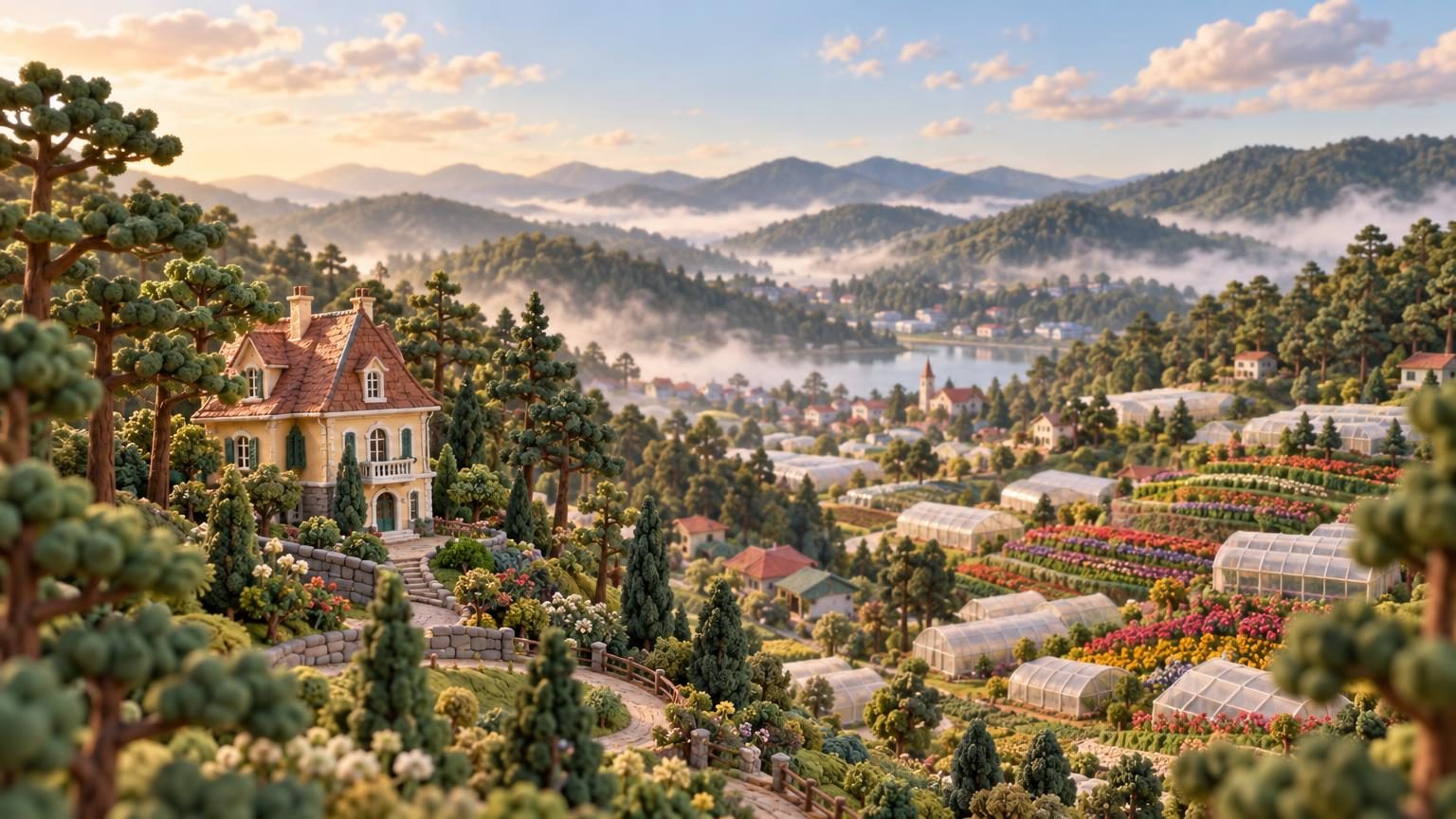
The plateau also makes the agriculture possible. Artichokes, strawberries, tea, wine and coffee grow here because it is cool, and the sheets of greenhouse plastic across the hillsides are the visible edge of an industry that supplies the rest of the country.
What the French left
The first hotel was built in 1907 and the Hue court formally announced the town’s establishment in 1916. What survives is a scattering of villas, a railway station and a cathedral, plus a century of local buildings imitating them in pastel.
The result is a town that looks like nowhere else in Vietnam and is completely Vietnamese, which is a more interesting thing to walk around than either half would be alone.
Coffee country
This is the plateau that made Vietnamese coffee what it is. Farms run tours, roasters sell by the kilo, and the cafes in town take the drink more seriously than almost anywhere outside Hanoi.
If the coffee is the reason you came, read Vietnamese coffee first so the menu makes sense before you are standing in front of it.
Getting there
Lien Khuong airport is on the government’s list of international gates that accept an e-visa, which makes a direct arrival possible. Visa rules are in the Vietnam e-visa.
By road it is a climb from the coast: Ho Chi Minh City, Nha Trang and Mui Ne all run coaches, many of them overnight sleepers, which are covered in sleeper buses in Vietnam. The road up is steep and bends constantly, which is worth knowing if anyone in the party gets travel sick.
Practical
Pack a layer. Book the bus rather than turning up. And remember that the south’s dry season runs December to April, which is when the highland roads are at their most pleasant. The rest of the year is in when to go to Vietnam, and what your phone needs is in how much mobile data for Vietnam, with the plans in the Vietnam eSIM store.