What official advice names
| Warning | |
|---|---|
| Bag snatching | By thieves on motorcycles, described as common |
| Countermeasure | Hold bags in front, or away from the traffic side |
| Taxis | Use pre-arranged transport or Grab or XanhSM |
| Impersonation | People falsely claiming to be from those companies |
| Airport transfers | Be cautious of free bus transfers not arranged in advance |
| Drinks from strangers | May contain drugs |
| Methanol | Cases from drinks bought in licensed bars, shops and hotels |
| Job offers | Trafficking reported in the Mekong region |
Disclosure: VietSIM sells prepaid eSIMs for Vietnam. This page lists no operators to avoid and accuses no business.
Why this list is short
Search for Vietnamese scams and you will find hundreds, most of them one traveller’s bad afternoon repeated by people who were not there. This page only carries what an official advisory states, because that is the part you can act on without becoming suspicious of everyone you meet.
The country is not a trap. Almost every interaction you have will be ordinary. What follows is a small number of specific patterns, worth knowing precisely because they are specific.
On the street
Bag snatching by thieves on motorcycles is described as common. The countermeasure in the advice is physical rather than vigilant: hold bags in front of you, or on the opposite side from the traffic, so a passing bike cannot take them.
That single habit removes most of the exposure. It matters most where you are walking beside moving traffic with a bag on your road-side shoulder, which is most pavements in most cities.
Getting into a car
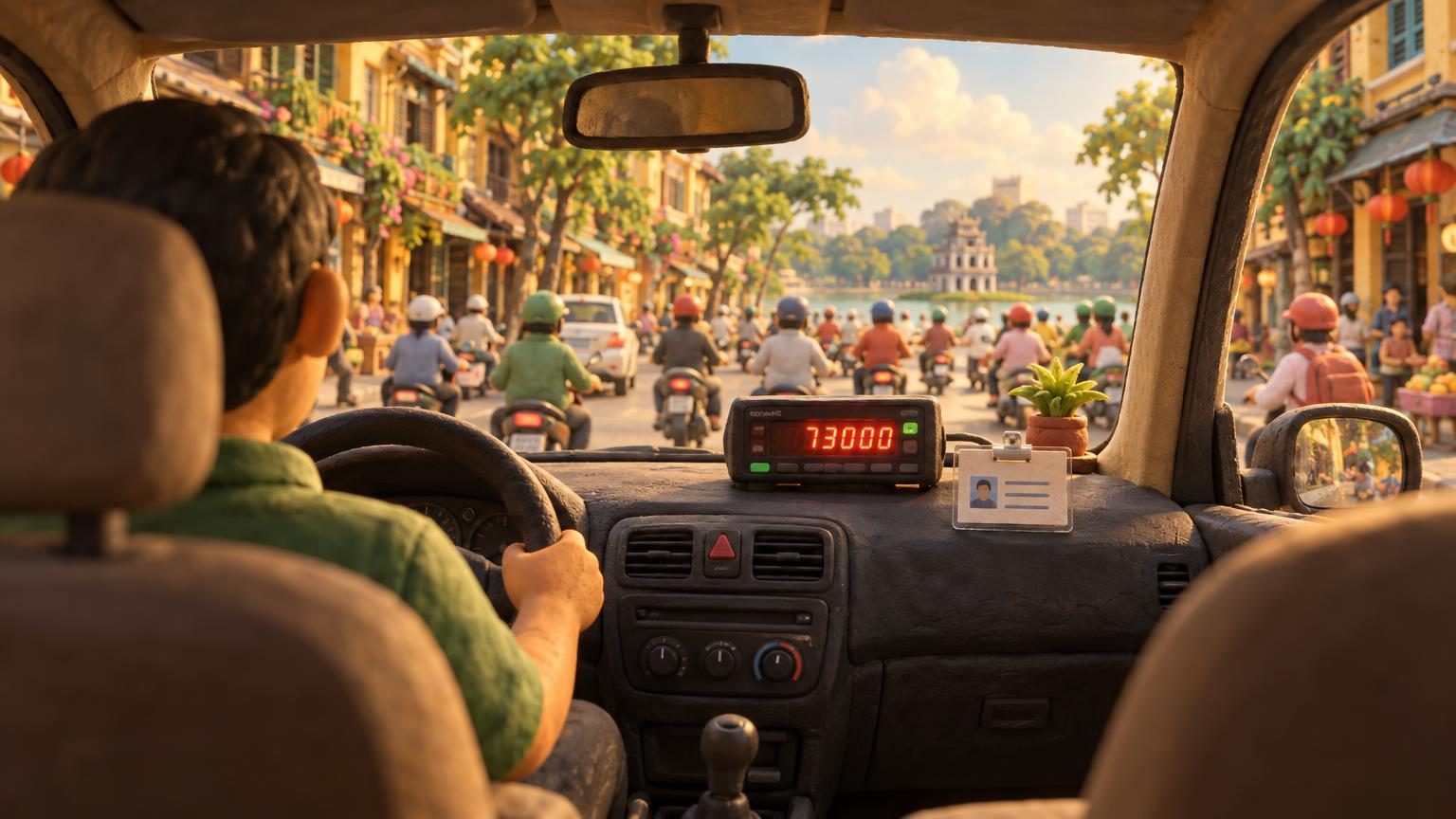
Official advice is to use pre-arranged transport or official hailing apps such as Grab or XanhSM, which supply licensed cabs, and to be wary of scammers claiming to be from those companies.
The practical version is that the app is the check. Match the plate, the model and the driver to what your screen says before you get in, and do not accept a ride from someone who approaches you saying they are your driver. How the apps work is in Grab in Vietnam, and the airport runs are in Noi Bai airport to the Old Quarter and Tan Son Nhat to District 1.
Free bus transfers to hotels, offered at an airport and not arranged in advance, are called out as possible scams.
Drinks
Two warnings sit side by side and they are not the same.
The first is about strangers: be wary of accepting snacks, beverages or gum from strangers and new acquaintances, as these may contain drugs.
The second is about the venue: methanol poisoning cases have resulted from drinks purchased in licensed bars, shops and hotels in tourist areas, and even small amounts of methanol can kill. Licensed does not mean safe here, which is why this one is worth reading twice.
The serious one
Official advice records that people have arrived in the Mekong region and been illegally transported to neighbouring countries on the promise of high paying jobs that turned out to be scams. That is a different category from being overcharged for a taxi.
Related
The wider safety picture, including road deaths and what the advisories actually say, is in is Vietnam safe. Knowing what things cost, so a wrong price is obvious, is in Vietnam’s money, and having a working connection to open your ride app at a kerb is in how much mobile data for Vietnam, with the plans in the Vietnam eSIM store.