
ENLanguage
Vietnam travel guide for staying connected
SIM cards and eSIM, the three networks, Wi-Fi, the apps you need and city-by-city tips, checked against carrier and official sources.
Before you go
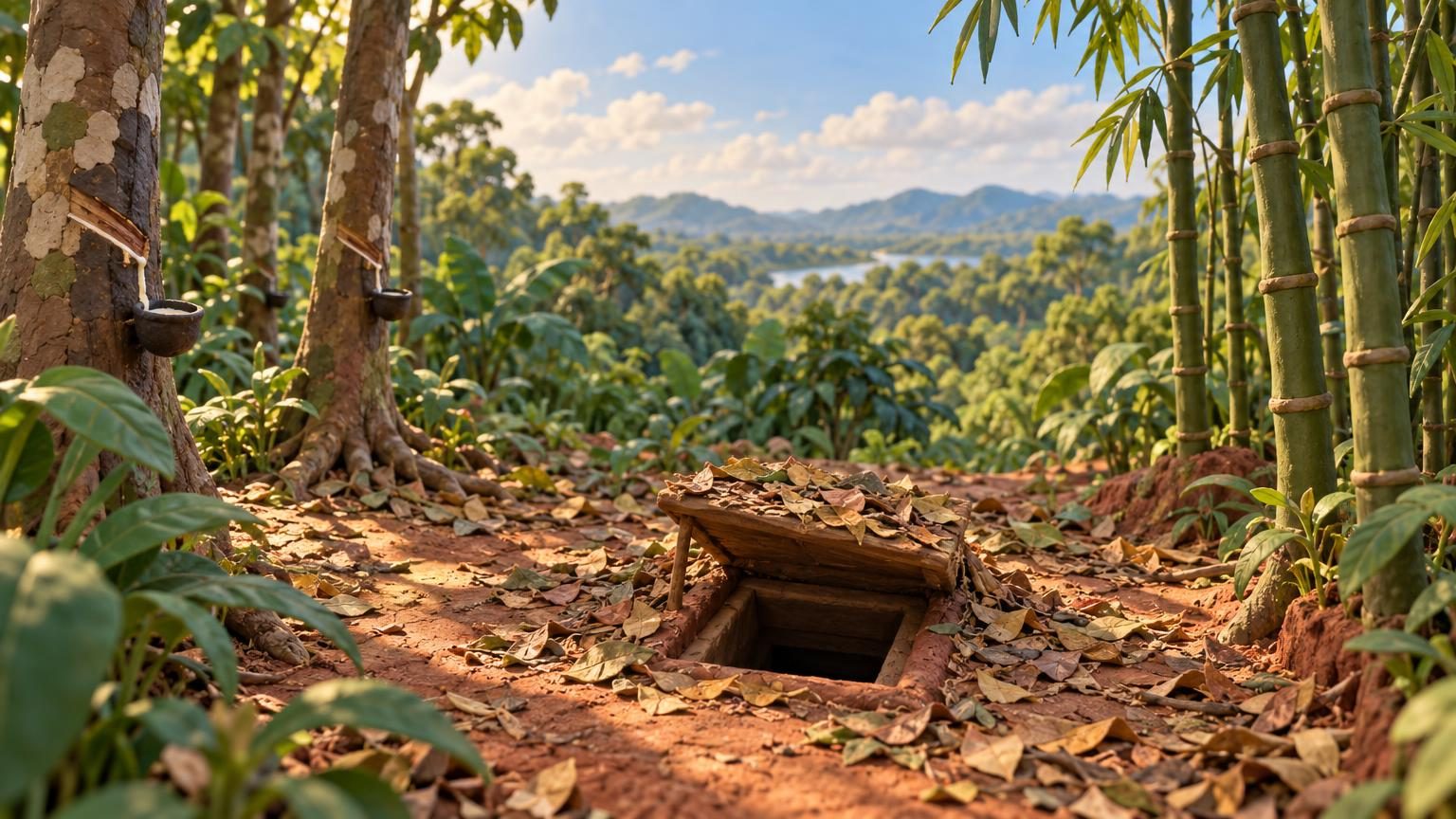
The Cu Chi tunnels: 121 km of them, and what a visit is like
The Cu Chi tunnels are a 121 km complex in Cu Chi district of Ho Chi Minh City, and were the Viet Cong base for the Tet Offensive in 1968. The sections open to visitors have been widened and lit, with displays of booby traps and the underground rooms where the offensive was planned.
Read the guide →
Tet: travelling in Vietnam around the lunar new year
Tet is the Vietnamese lunar new year, and the country stops for it. It falls between late January and 20 February: 17 February in 2026 and 6 February in 2027. The public holiday runs from the first day to at least the third, and businesses close while families travel home.
Read the guide →
Hue: the Nguyen capital, the river and the rain
Hue was Vietnam's capital from 1802 to 1945 under the Nguyen dynasty, and the Complex of Hue Monuments was inscribed by UNESCO in 1993. The Perfume River runs through the centre with the citadel on one bank. It is wet: about 3,200 mm a year, around 70 per cent of it from September to December.
Read the guide →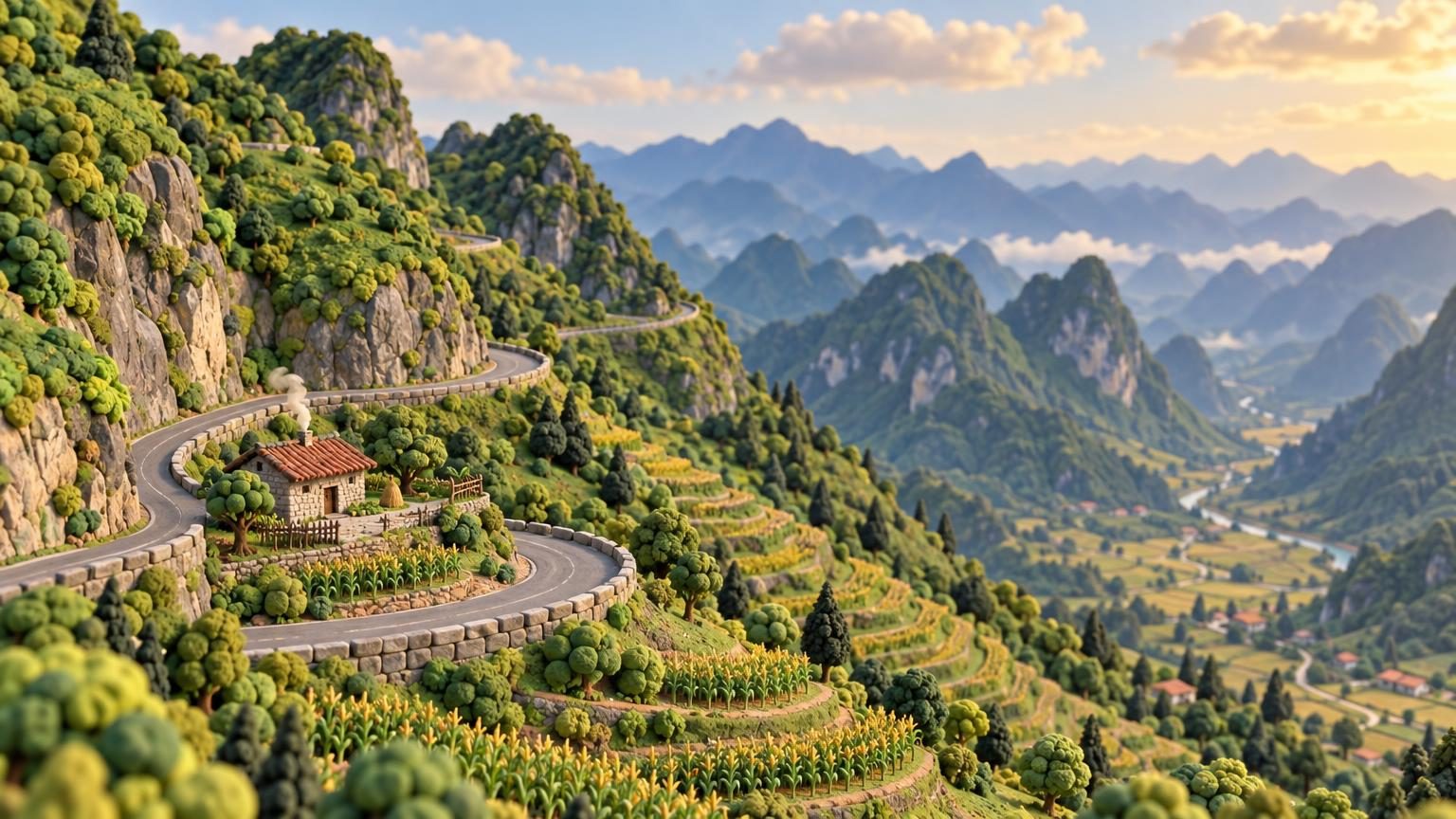
The Ha Giang loop: the geopark, the pass, the licence
The Ha Giang loop runs through the Dong Van Karst Plateau Geopark in Vietnam's far north, a UNESCO Global Geopark since 3 October 2010 covering 2,356.8 square kilometres at 1,400 to 1,600 metres. Ma Pi Leng pass sits around 1,500 metres. Riding yourself needs a Vietnamese licence from 50cc.
Read the guide →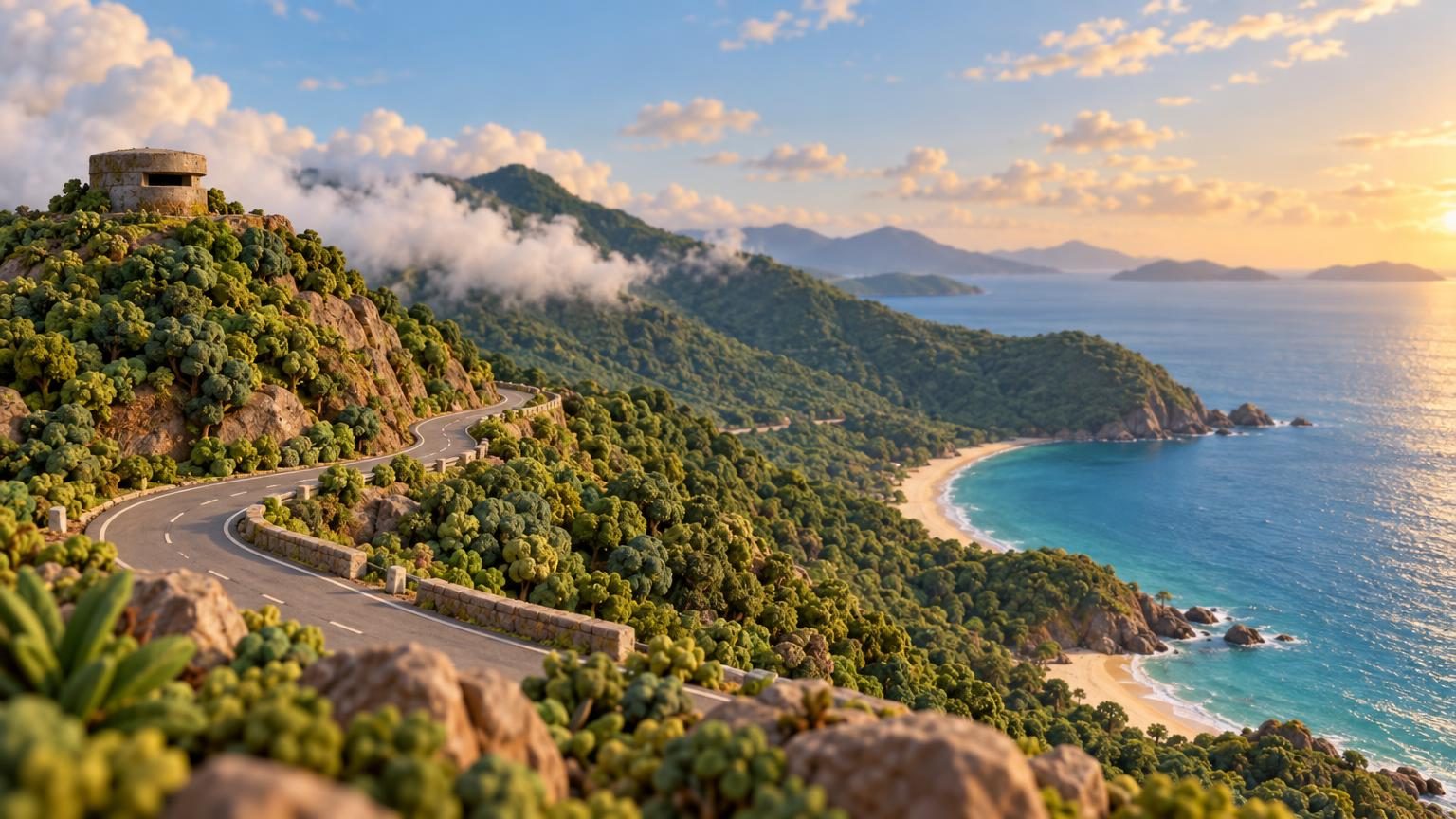
The Hai Van Pass: 496 metres, and why bikes still go over it
The Hai Van Pass is a 21 km climb to 496 metres on National Route 1 between Hue and Da Nang, and it marks the boundary between the climates of northern and southern Vietnam. The 6,280 m Hai Van Tunnel opened on 5 June 2005 and took the traffic, but motorcycles are not allowed through it.
Read the guide →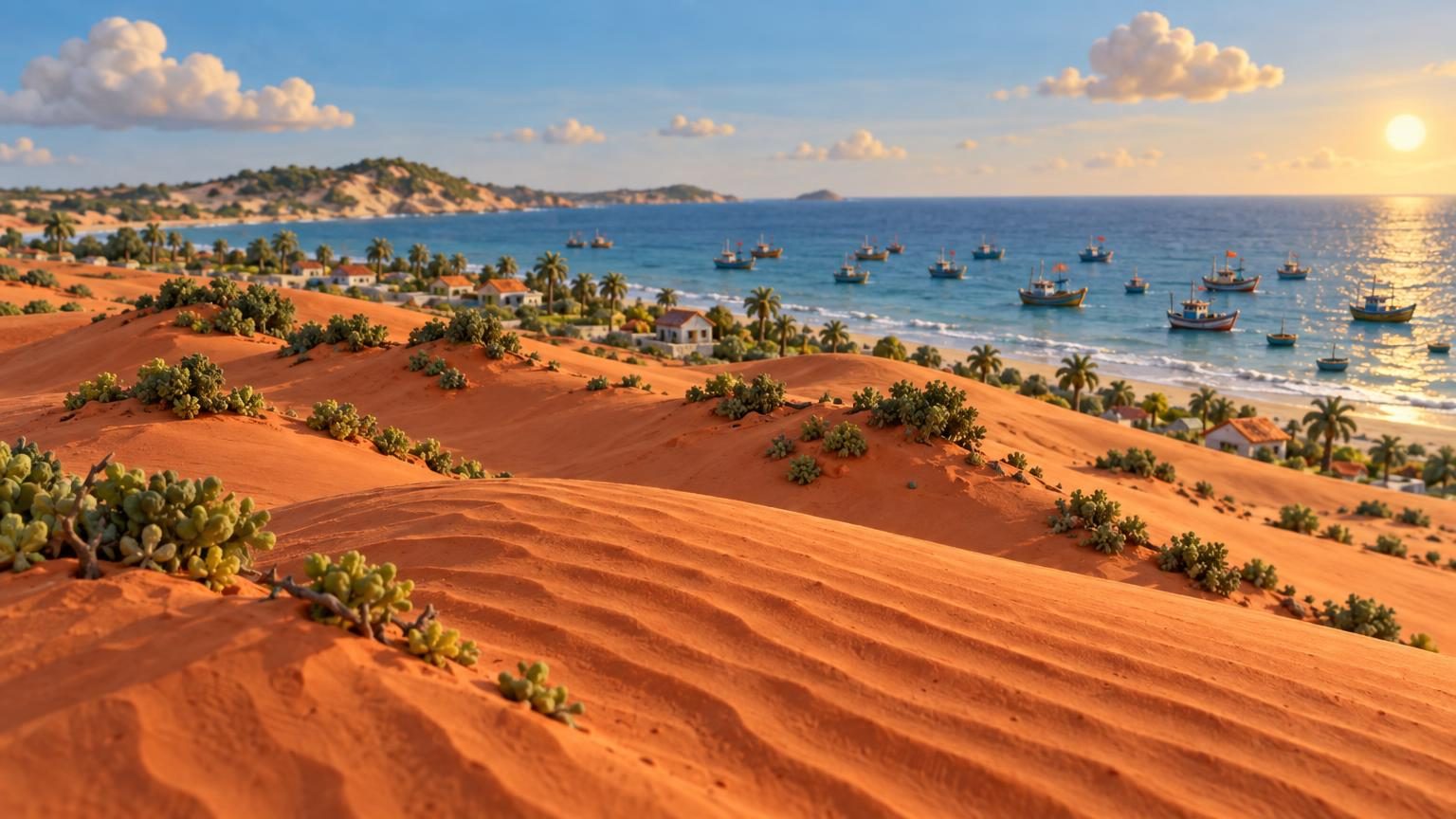
Mui Ne: dunes, wind and a fishing harbour that still works
Mui Ne is a coastal fishing ward of about 25,000 people covering 35.41 square kilometres, transferred from Binh Thuan to Lam Dong province in 2025. It averages 27 degrees Celsius and is hot and dry for much of the year, with the visitor season running December to April.
Read the guide →
Hanoi train street: 850 metres of working railway
Hanoi train street is a 0.85 km stretch of single track through the Old Quarter, along Dien Bien Phu and Phung Hung, built by the French in 1902. Around seven trains pass between 7 am and 11 pm. Authorities closed it in October 2019 and it reopened to visitors in early 2023.
Read the guide →
Phong Nha: 400 million years of limestone and 300 caves
Phong Nha Ke Bang National Park in Quang Tri province was inscribed by UNESCO in 2003 and extended in 2015 and 2025. Its karst has been evolving since the Paleozoic, some 400 million years ago, and around 300 caves have been mapped, with about 126 km of passage surveyed as of 2009.
Read the guide →
Vietnamese phrases worth learning before you land
Vietnamese is tonal, with six tones in the northern variety and typically five in the south, and it is written in chu Quoc ngu, a Latin alphabet adopted officially in the early 20th century. About a dozen phrases cover greeting, thanks, prices, the bill and dietary needs.
Read the guide →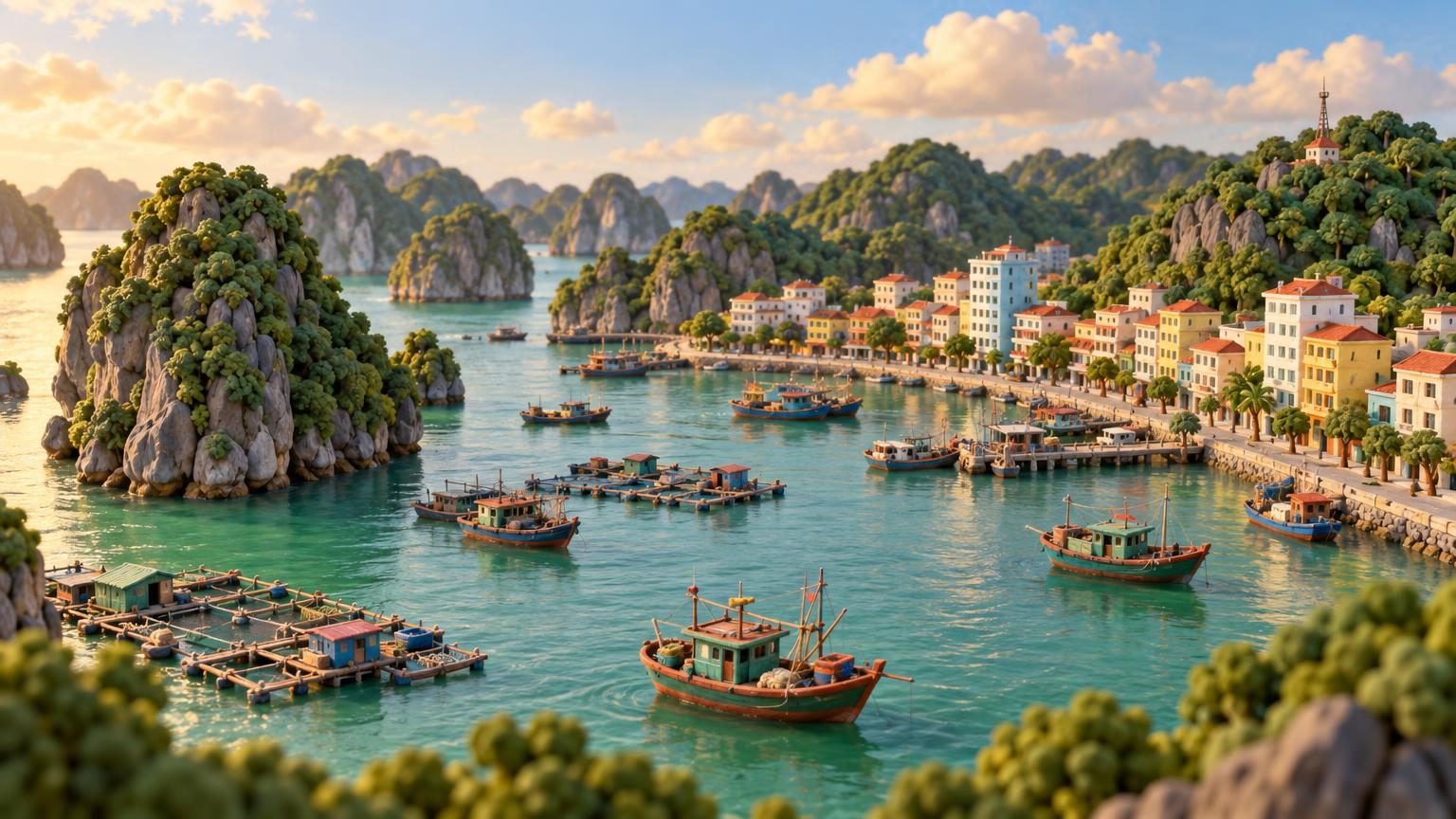
Cat Ba Island: 367 islands, one national park, 68 langurs
Cat Ba Island covers 262.41 square kilometres with a population of 18,934 as of 2021, at the southeastern edge of Lan Ha Bay. Its national park was established in 1986, the archipelago has been a UNESCO Biosphere Reserve since 2004, and it joined the Ha Long Bay World Heritage site in 2023.
Read the guide →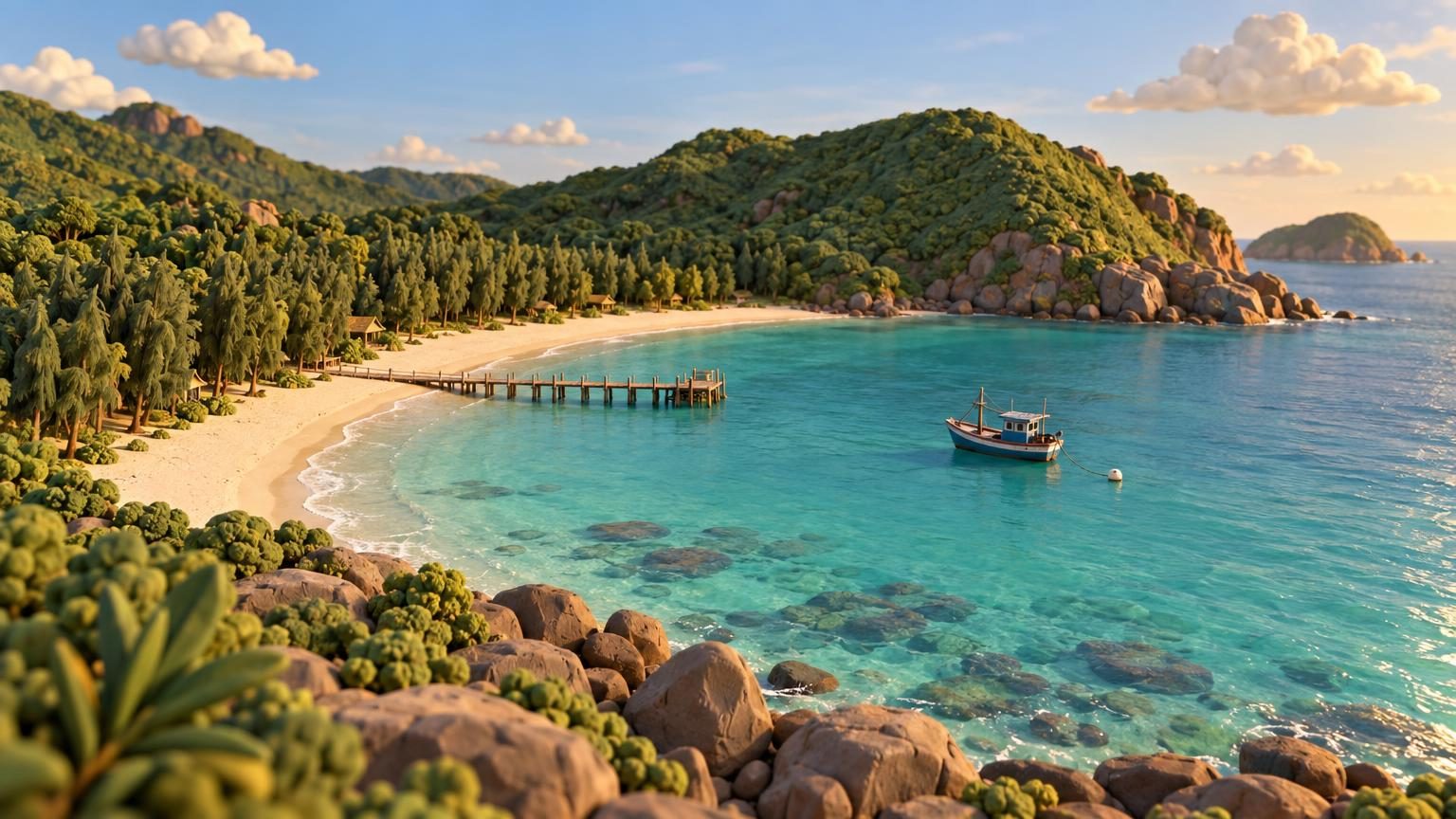
Con Dao: 16 islands, a prison, and a turtle beach
Con Dao is an archipelago of 16 mountainous islands and islets totalling 75.15 square kilometres, about 185 km from Vung Tau and 230 km from Ho Chi Minh City. The 2019 census counted 8,827 residents. Protected status was granted in 1984 and enlarged in 1998.
Read the guide →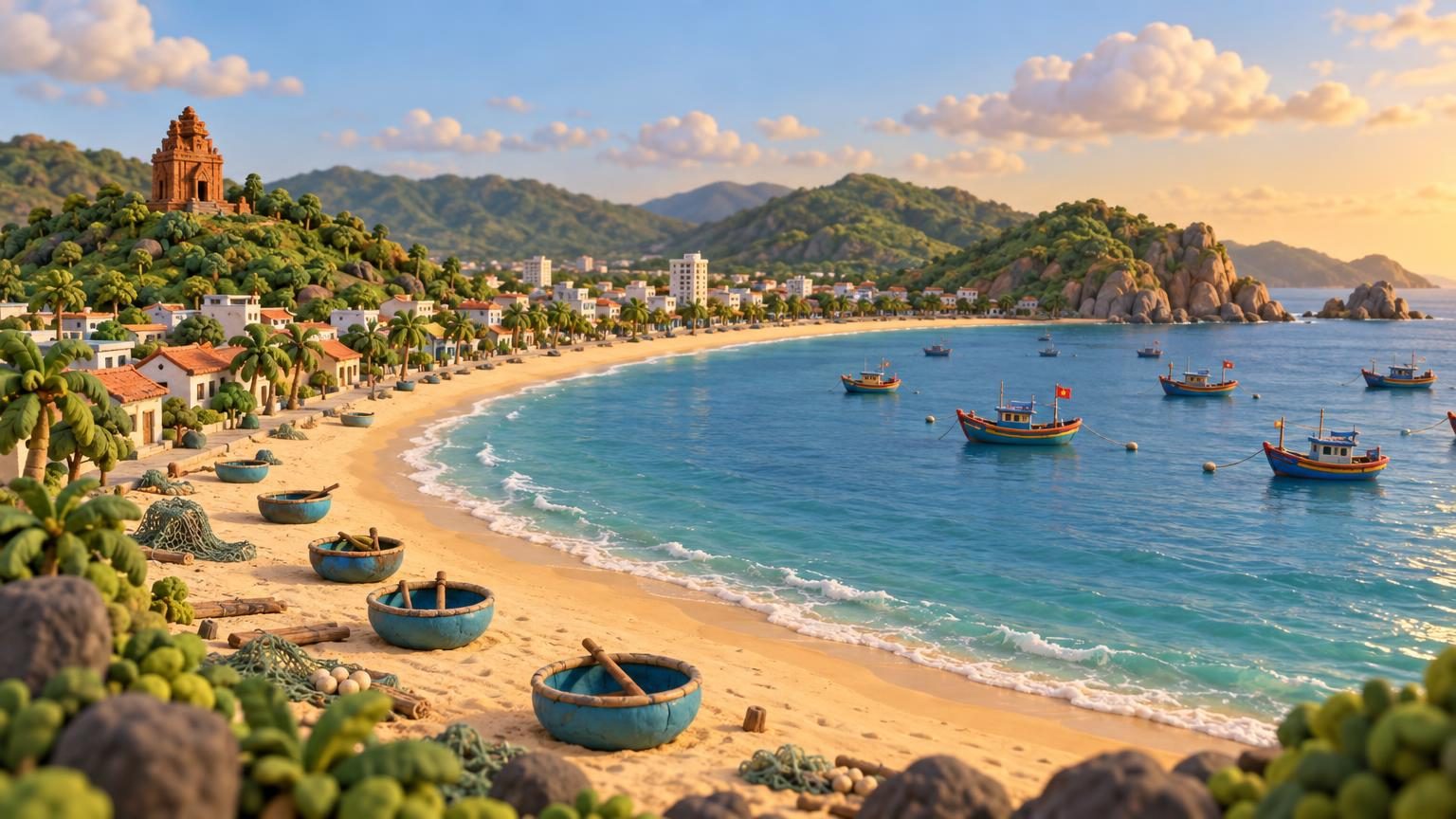
Quy Nhon: 42 km of coast and a port that still works
Quy Nhon is a coastal ward of Gia Lai province with 129,326 people on 21.78 square kilometres and a coastline of 42 kilometres. Settlement here goes back to 11th century Champa culture. It has a working port, is served by Phu Cat Airport and has a tropical monsoon climate.
Read the guide →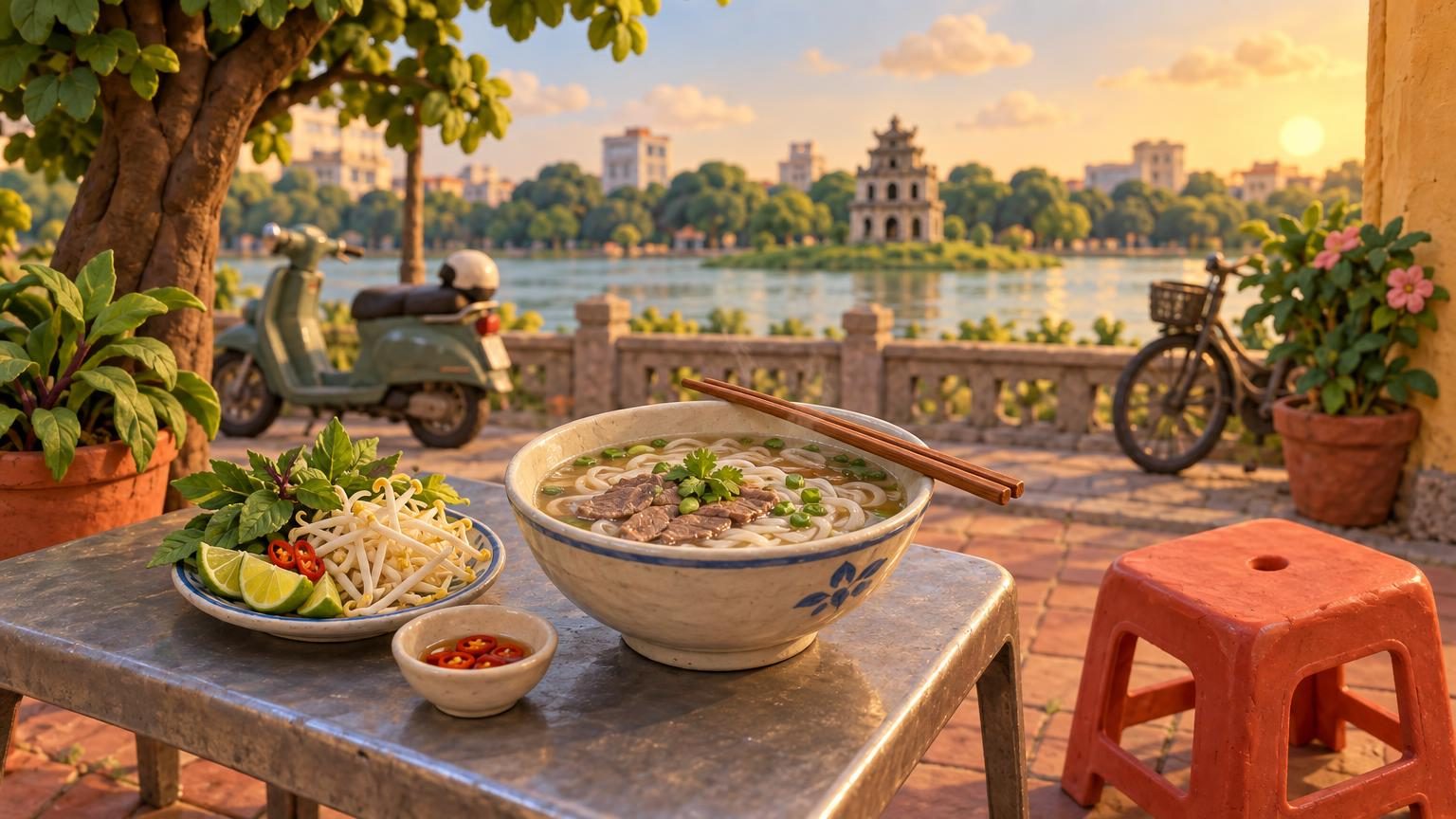
Pho: where it came from and why the bowl changes as you travel
Pho emerged in northern Vietnam between 1900 and 1907, with the villages of Van Cu and Dao Cu in Nam Dinh province named as its home, and it spread south after the 1954 partition. Northern pho has a clear broth and few garnishes. Southern pho is sweeter and cloudier, with herbs, sprouts and hoisin.
Read the guide →
Banh mi: the bread is the reason it works
Banh mi is a short baguette with a thin crisp crust and a soft airy crumb, often made with rice flour as well as wheat. The French brought the baguette in the 1860s, the filled Vietnamese sandwich developed in Saigon in the 1950s, and the word entered the Oxford English Dictionary on 24 March 2011.
Read the guide →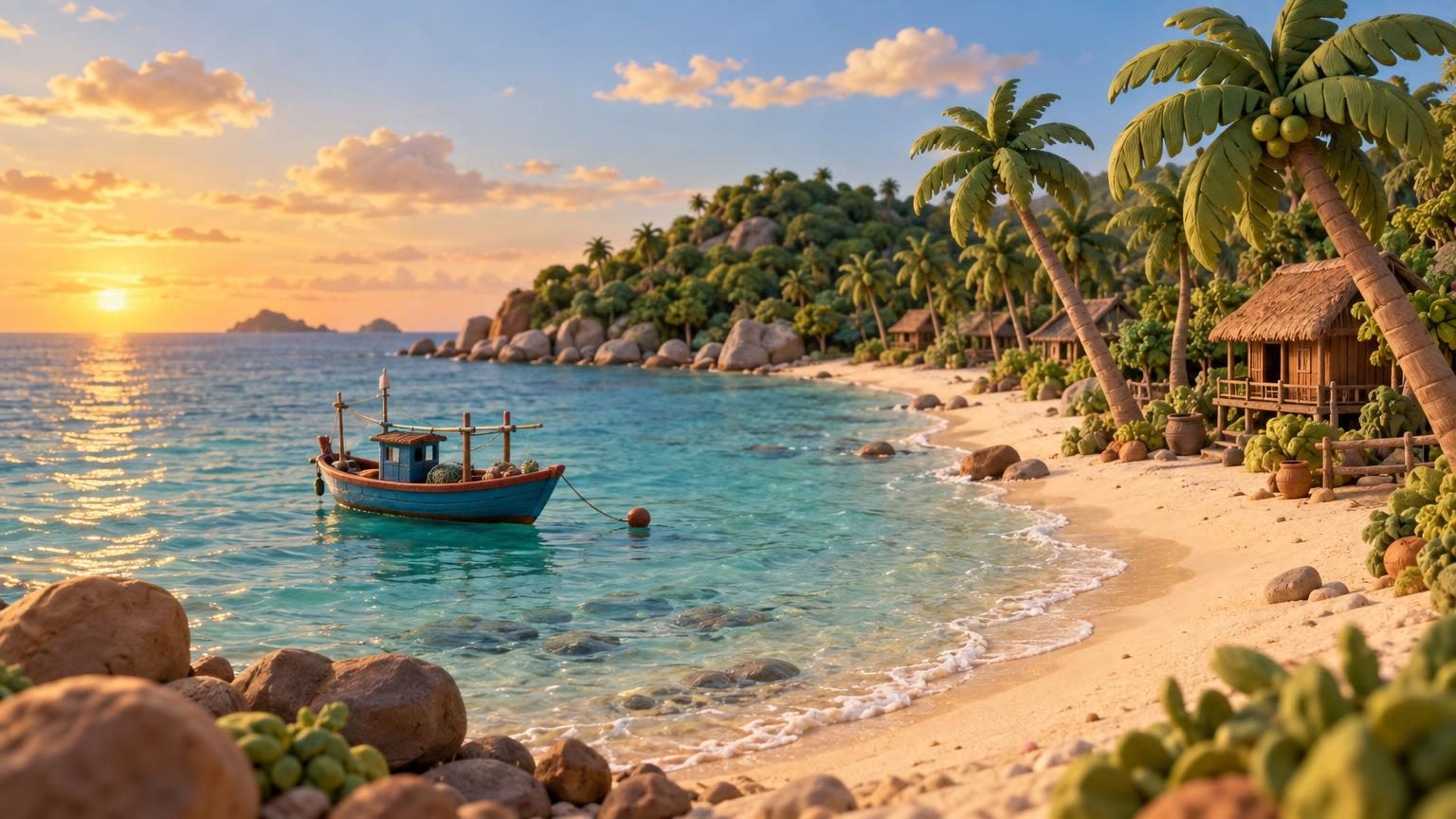
Vietnam's beaches: 3,444 km of coast and three different seasons
Vietnam has 3,444 kilometres of coastline along a country that runs 1,650 kilometres north to south and narrows to about 50 kilometres. That span crosses three climate regions, so there is no single beach season: the dry months differ between the north, the central coast and the south.
Read the guide →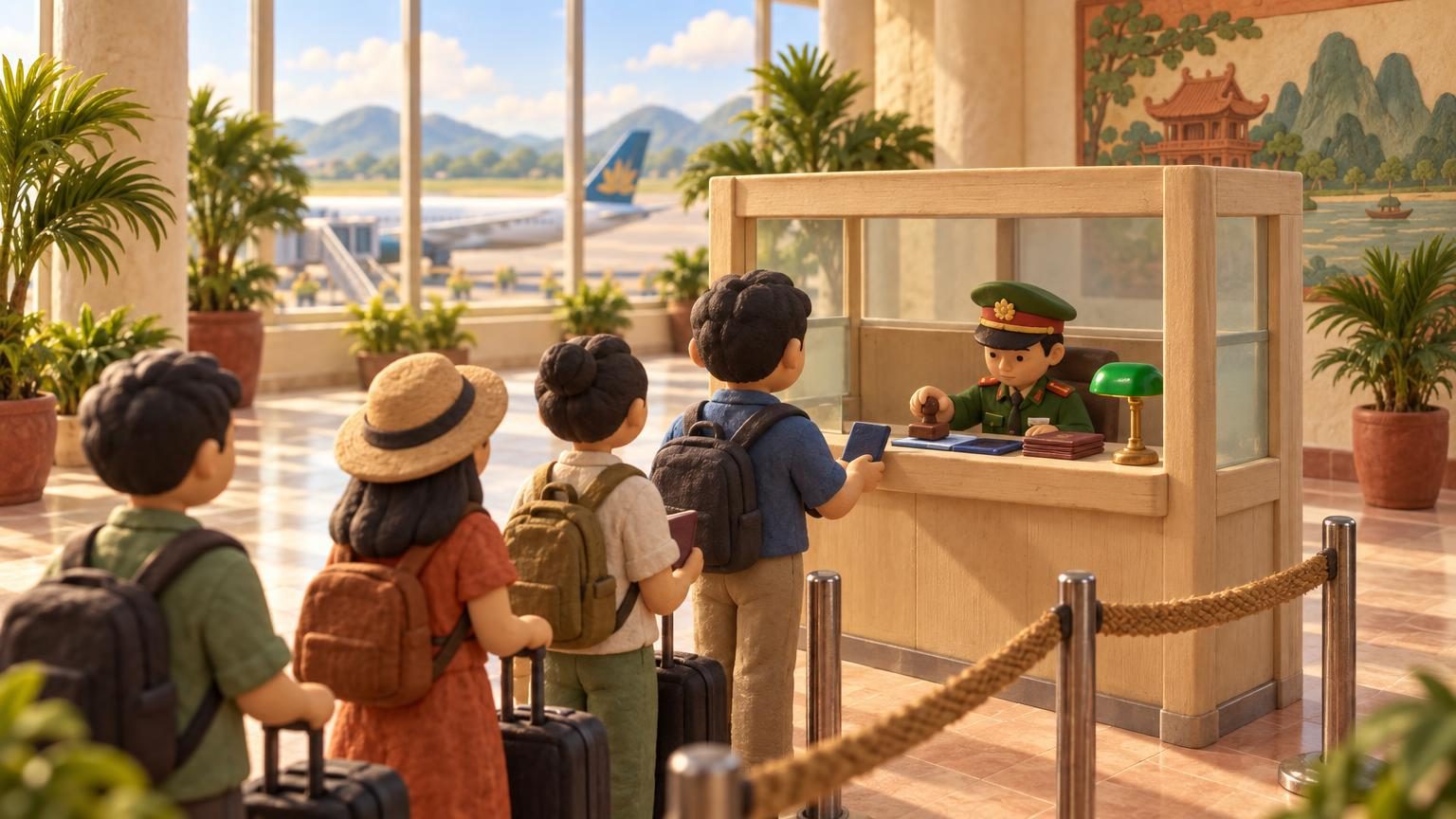
Vietnam visa on arrival: what it is, and why you may not need it
Most visitors do not need visa on arrival. Since 15 August 2023 the e-visa has been open to citizens of all countries at 25 US dollars single entry or 50 multiple, for stays up to 90 days. Visa on arrival still exists but requires an approval letter arranged before you fly.
Read the guide →
Shopping in Vietnam: markets, gates and the price on the tag
Vietnam's big city markets are organised by gate rather than aisle. Ben Thanh in Ho Chi Minh City covers 13,056 square metres with nearly 1,500 booths, opens around 6am, closes at 6pm and becomes a street night market until 10pm. VAT is 10 per cent, reduced to 8 per cent until 31 December 2026.
Read the guide →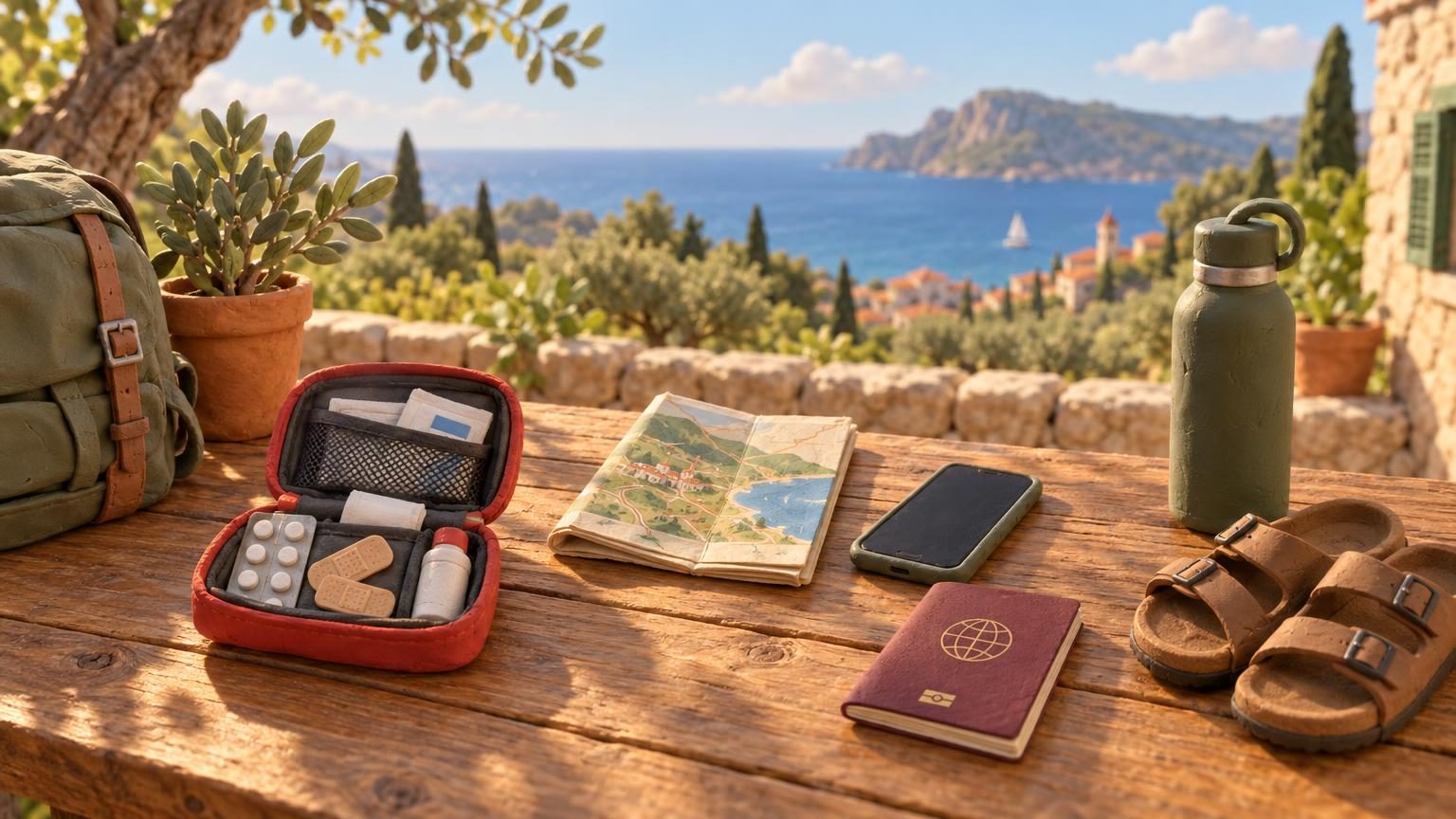
Travel insurance for Vietnam: what the policy has to cover
Official UK advice says a Vietnam policy should cover existing health conditions, full medical costs, an air ambulance and repatriation. The embassy does not pay medical bills. The clause that catches most travellers is riding a motorbike without a licence Vietnam accepts, which is required from 50cc.
Read the guide →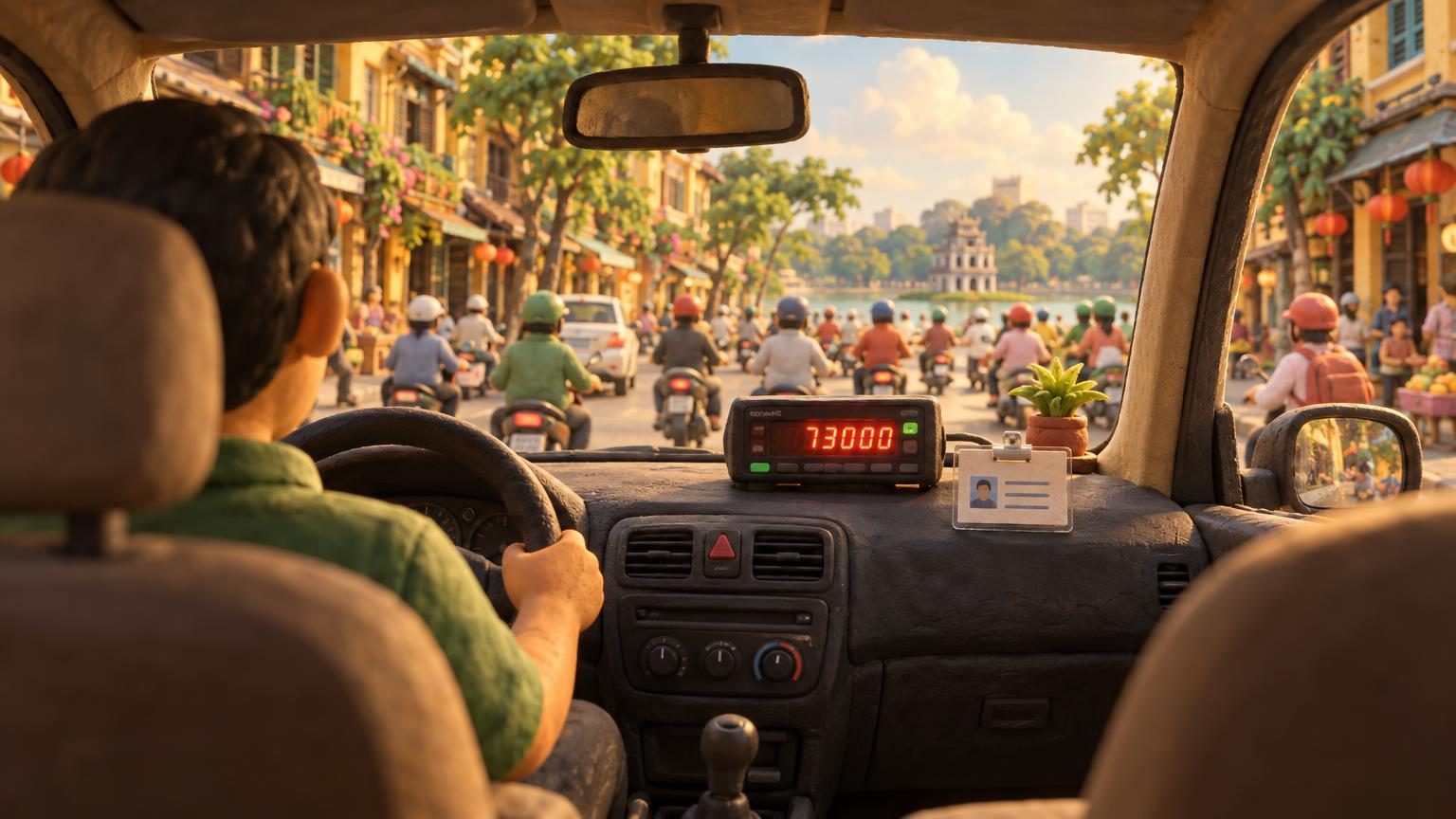
Scams in Vietnam: the ones official advice actually names
UK official advice names 5 patterns for Vietnam: bag snatching by thieves on motorcycles, people posing as Grab or XanhSM drivers, free hotel transfer offers at airports, snacks or drinks from strangers that may be drugged, and methanol poisoning from drinks bought in licensed bars, shops and hotels.
Read the guide →
Can you drink the tap water in Vietnam?
No, not without treatment. Vietnam had 98 per cent access to improved water sources in 2015, 99 per cent urban and 97 per cent rural, but improved is not the same as drinkable. Tests in early 2009 found widespread contamination of municipal tap water, and households boil it or buy bottled.
Read the guide →
What a trip to Vietnam costs, and why no page should quote you a daily figure
No honest page can give you a daily figure, because prices move and a stale number is worse than none. What is stable is the structure: VAT is 10 per cent, reduced to 8 until 31 December 2026, prices are quoted in dong, and the shorthand where 25 means 25,000 is where visitors lose money.
Read the guide →
Etiquette in Vietnam: what changes how people respond to you
Vietnamese has no neutral word for you. Speakers use kinship terms instead, and 3 cover most situations: anh for a slightly older man, chi for a slightly older woman, em for someone younger, with toi as the polite I. Getting the term roughly right outweighs every other piece of etiquette.
Read the guide →
Packing for Vietnam: the list that comes from the rules, not from habit
Pack for the region and month you are in rather than for the country, since Vietnam crosses 3 climate regions. Bring an adapter for type C and F sockets at 220 V, something that covers shoulders and knees for temples, and keep power banks in hand baggage, where IATA's limit is 100 Wh.
Read the guide →
Vietnam with kids: what actually needs planning
Three things need planning: traffic, because crossing a road is a learned skill here and road safety is what advisories warn about; water, because tap water is not drinkable untreated for anyone; and distance, because Vietnam runs 1,650 km north to south and children pay for every extra hop.
Read the guide →
Travelling Vietnam solo: the honest version
Vietnam sits at the lowest of Australia's 4 advisory levels and the UK advises against travel to no part of the country. The real solo risks are specific: bag snatching from motorbikes, people posing as ride-app drivers, drinks from strangers, and methanol in drinks bought at licensed premises.
Read the guide →